The Harbor at Two Hundred and Fifty
Seventeen photographs from Little Island on July 4, 2026, and why four of them became the faces of a campaign about your health.
By Robin Blackstone
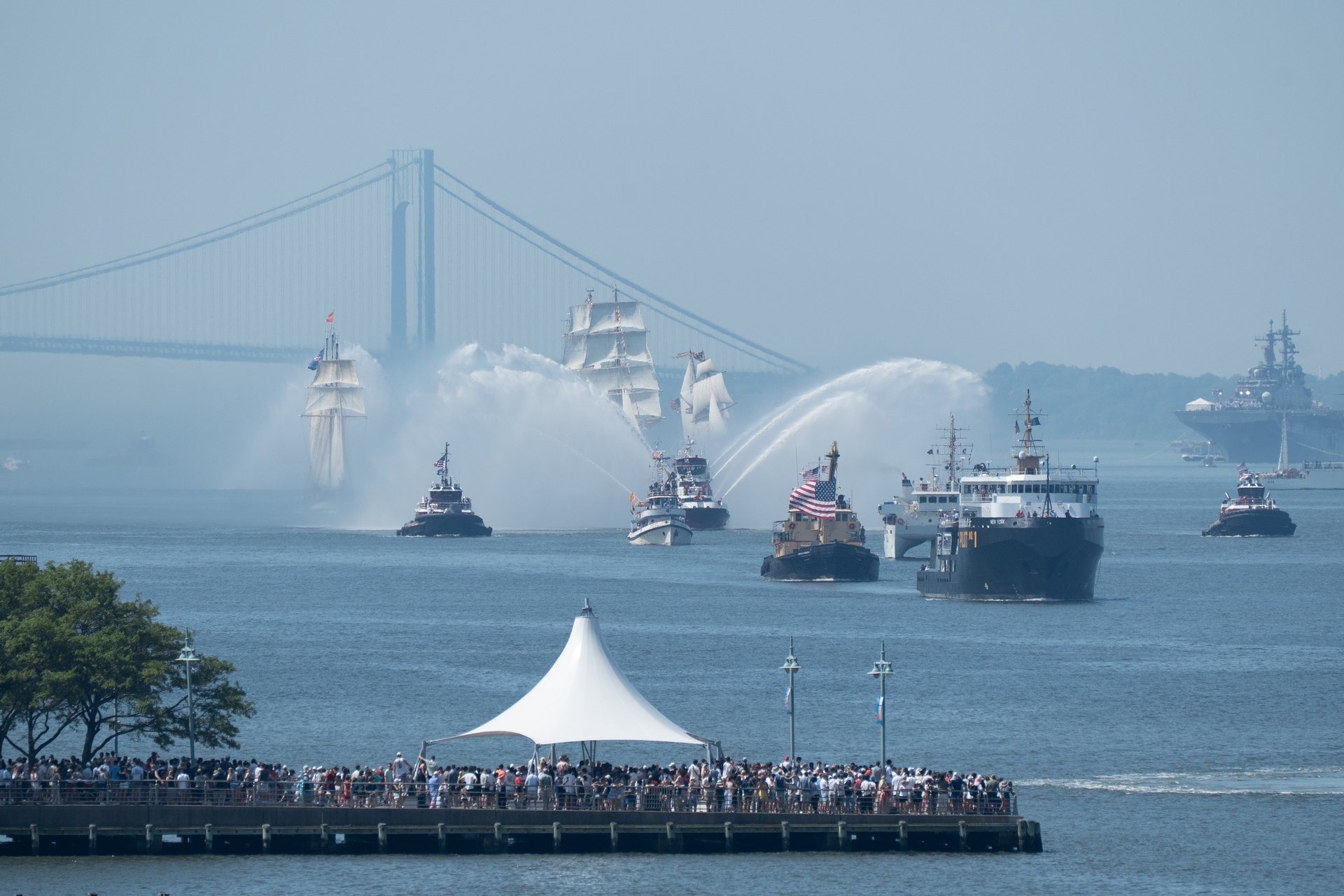
The pier beside us, full to the railings, as the fireboats open up and the first tall ships come down the river. Photograph: Robin Blackstone, MD
I photographed the 250th birthday of the country from Little Island, on the Hudson, with a press credential around my neck and no plan for the pictures. I wanted to see the ships.
So did everyone else. Thousands and thousands of people came down to the river that morning to honor the country and watch. They filled the piers to the railings and stood in the heat for hours, and nobody seemed to mind the heat. It was thrilling to be among them.
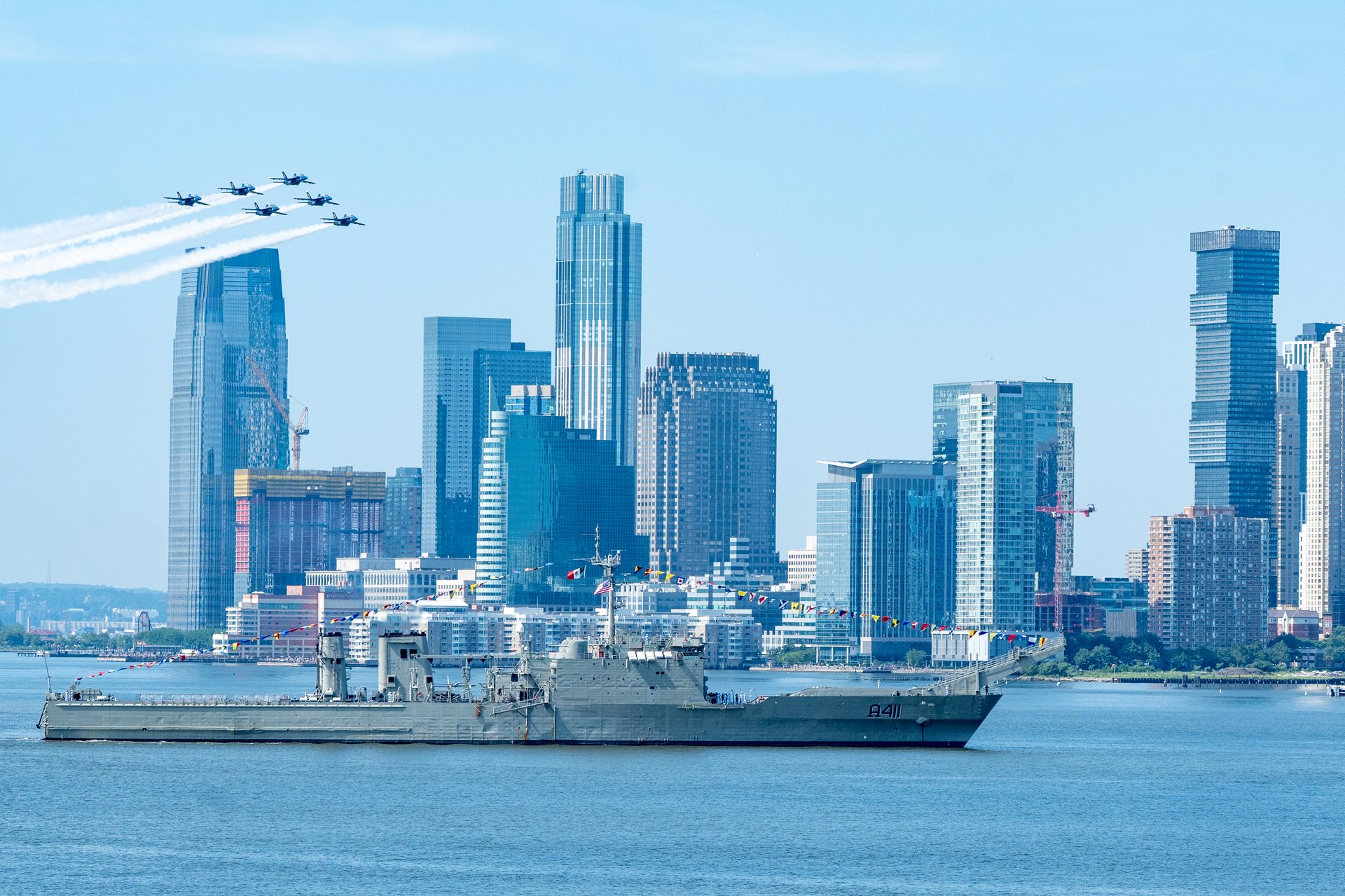
The Blue Angels lead the aerial review over Jersey City while a visiting naval ship, dressed in signal flags, holds station below. Photograph: Robin Blackstone, MD
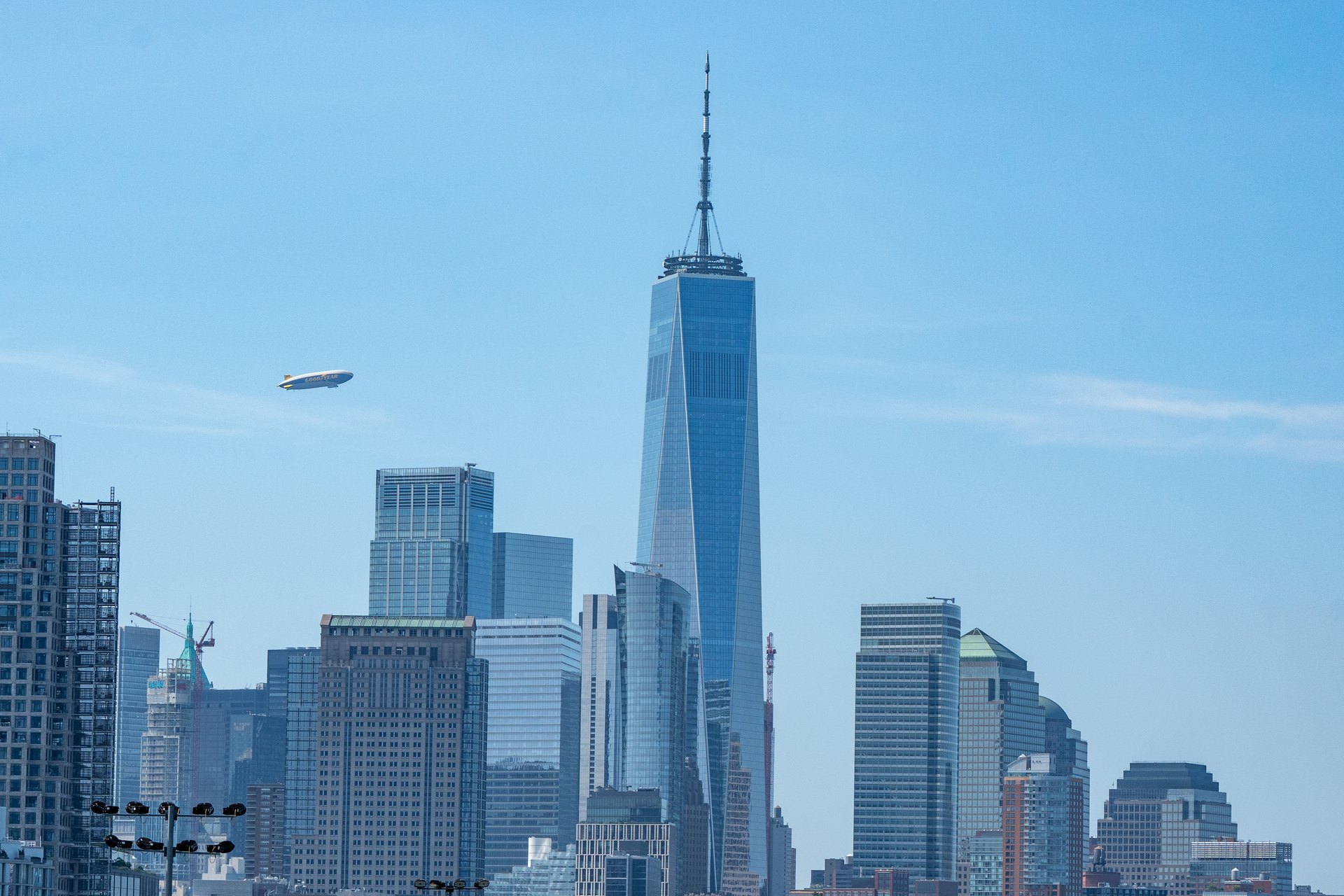
One World Trade Center, with an airship passing. Photograph: Robin Blackstone, MD
The Hudson is where this country learned to argue with itself. The river was a highway for trade and a line of defense in the Revolution; the harbor at its mouth was the front door for the people who came afterward and built the place. The idea the founders wrote down in 1776 was not that the government would take care of everyone. It was that the governed did not hand their autonomy to the state. They got to ask tough questions, get straight answers, and replace the people in charge when they did not measure up.
That is a simple idea, and it is easy to forget how unusual it was. It is also the idea behind the week of writing I published before this election.
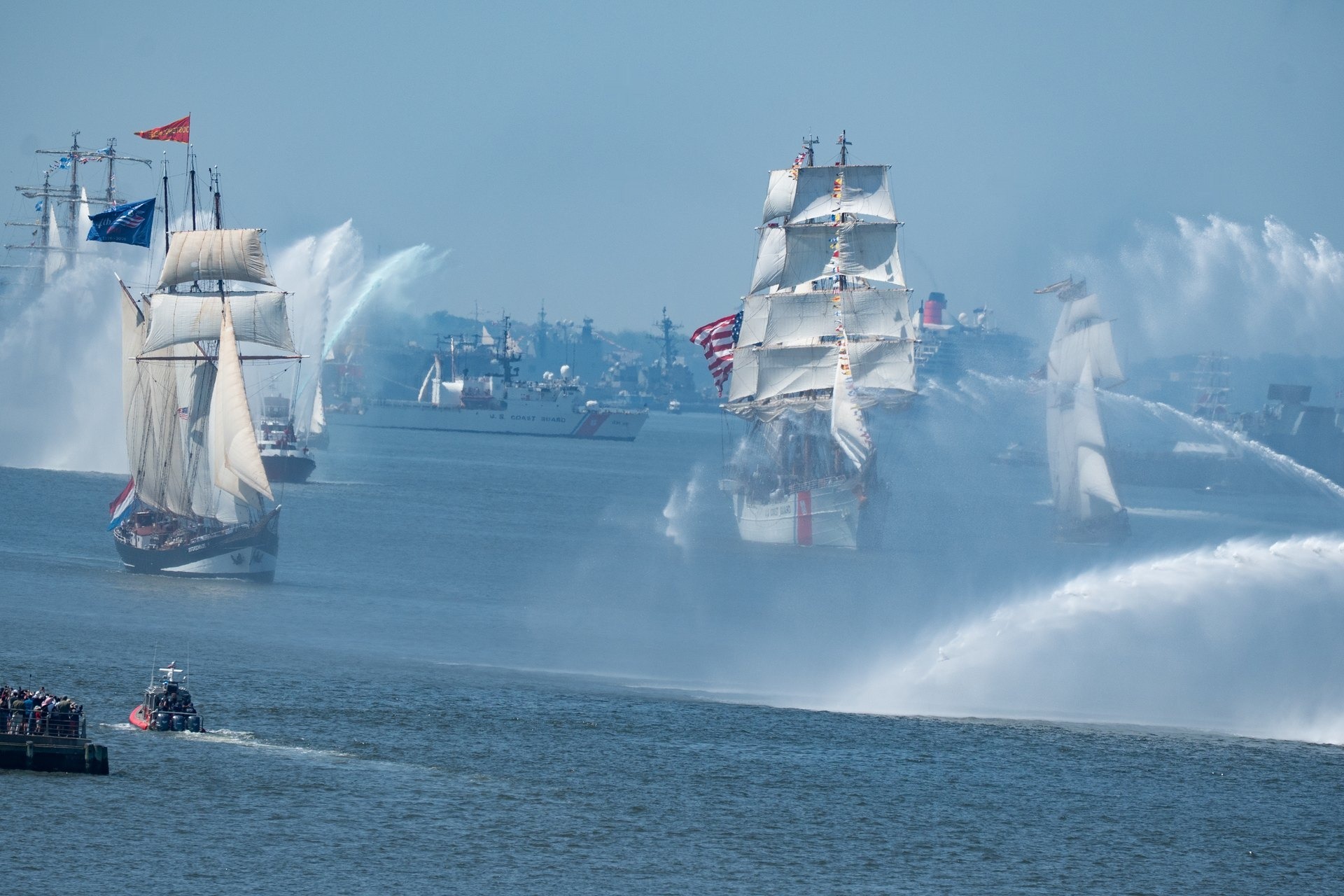
Tall ships coming up through the fireboats’ spray. Photograph: Robin Blackstone, MD
The sky was as crowded as the water. Something like 150 aircraft flew the river that morning, nearly everything the United States military flies, and the display teams of four countries: the Navy’s Blue Angels, the Royal Canadian Air Force Snowbirds, the Royal Air Force Red Arrows and France’s Patrouille de France. Between them came the airplanes that do the unglamorous work.
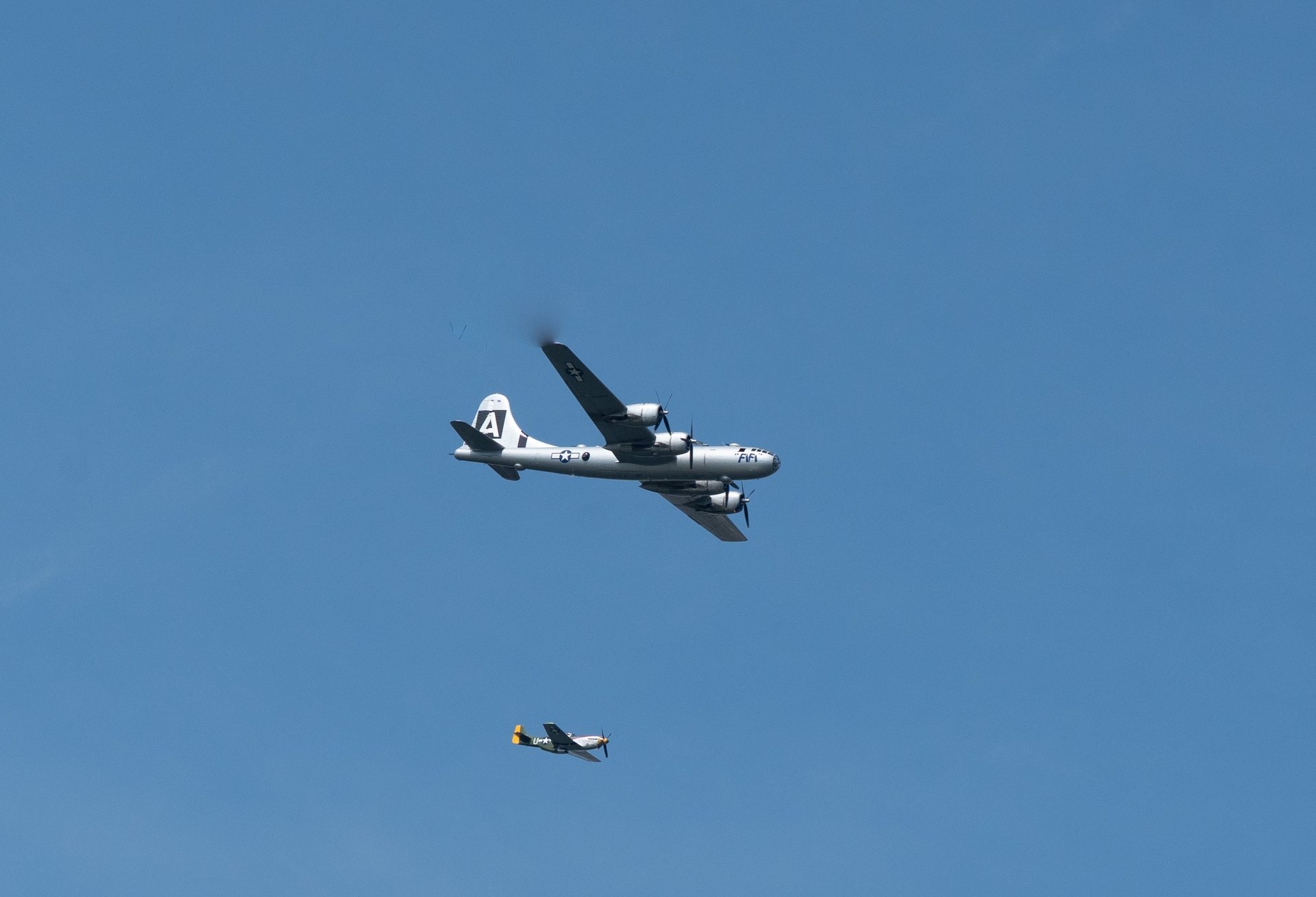
FIFI, one of two B-29 Superfortresses still flying, with a P-51 Mustang below her. Photograph: Robin Blackstone, MD

NOAA’s WP-3D Orion, N43RF, the hurricane hunter. Photograph: Robin Blackstone, MD
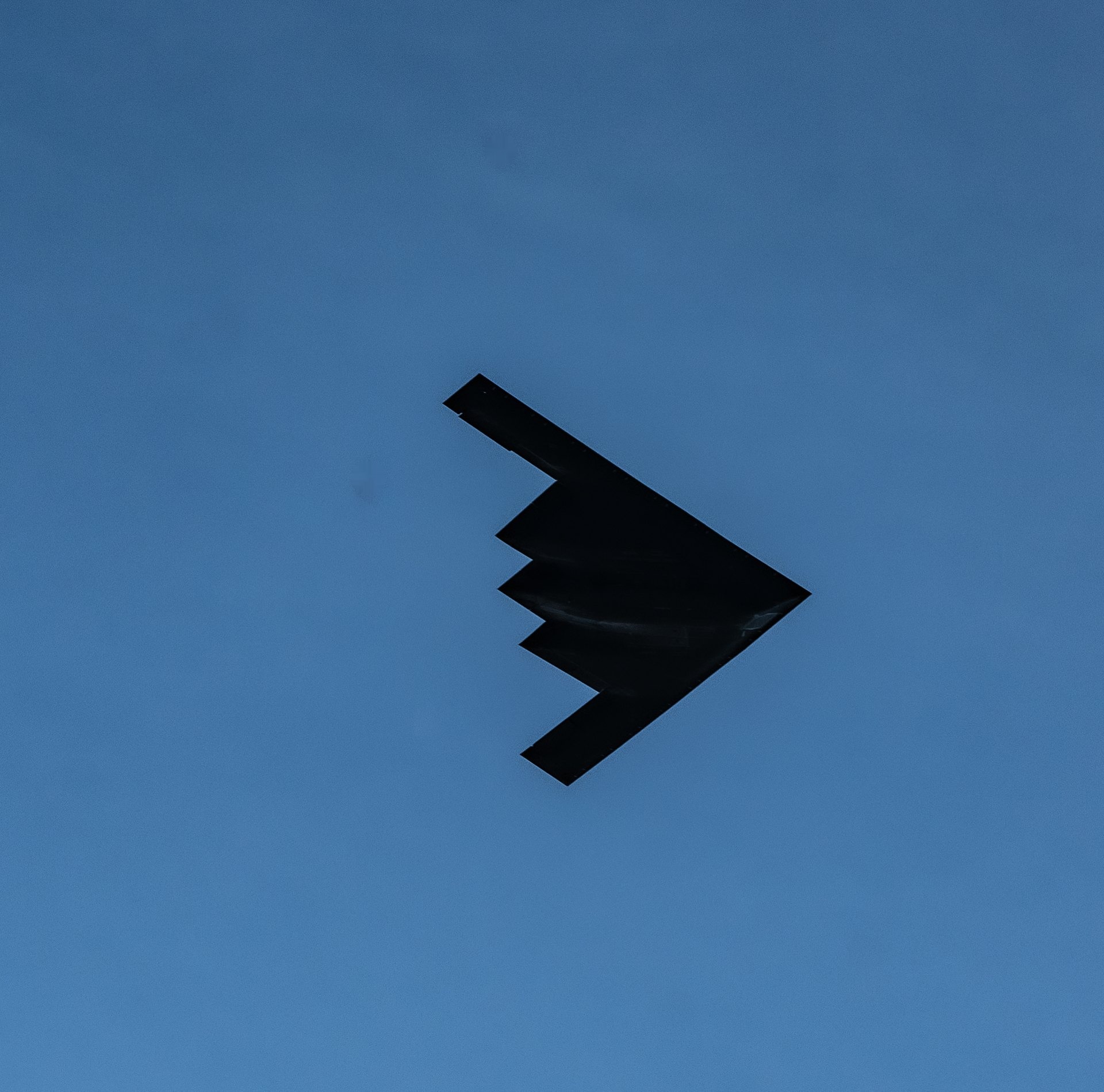
A B-2 Spirit, silent and alone. Photograph: Robin Blackstone, MD
I watched the B-2 for a long time. It is built to see without being seen, and it exists to defend a Constitution that puts limits on what the government may do to the people it governs, including how closely it may watch them. That balance between freedom and surveillance was argued over in 1776 and it is being argued over now, only the watchers have changed. The record of your body is the most intimate information there is, and today it is collected, shared and traded at a scale the people who wrote the Fourth Amendment could not have imagined, often by companies whose first duty is to profit, not to you. Where the line goes between your privacy and someone’s business model is not a technical question. It is decided by people who answer to voters, and many of them are on your ballot.
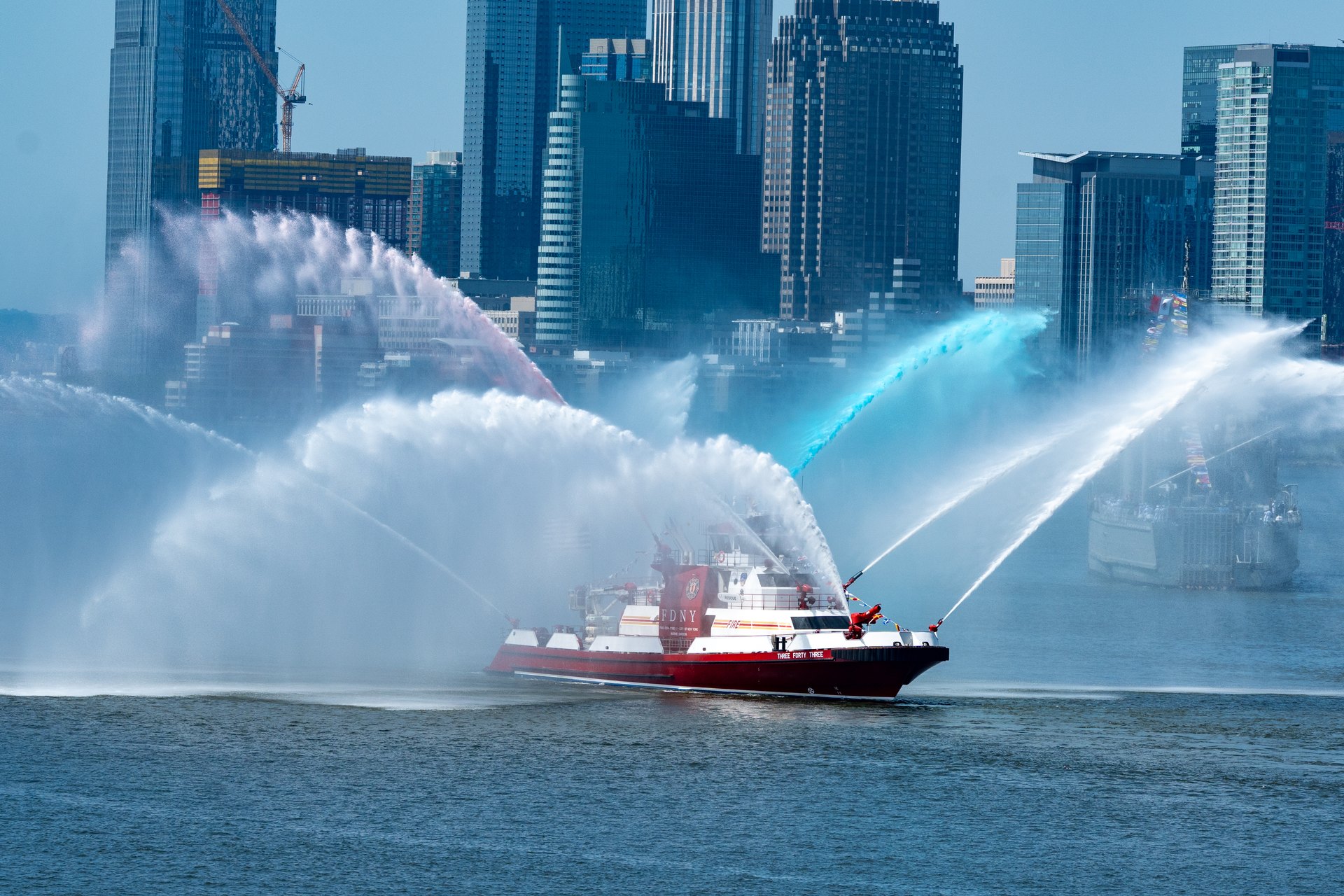
The FDNY fireboat salute against the Jersey City towers. This became the cover for Seven Questions. Photograph: Robin Blackstone, MD
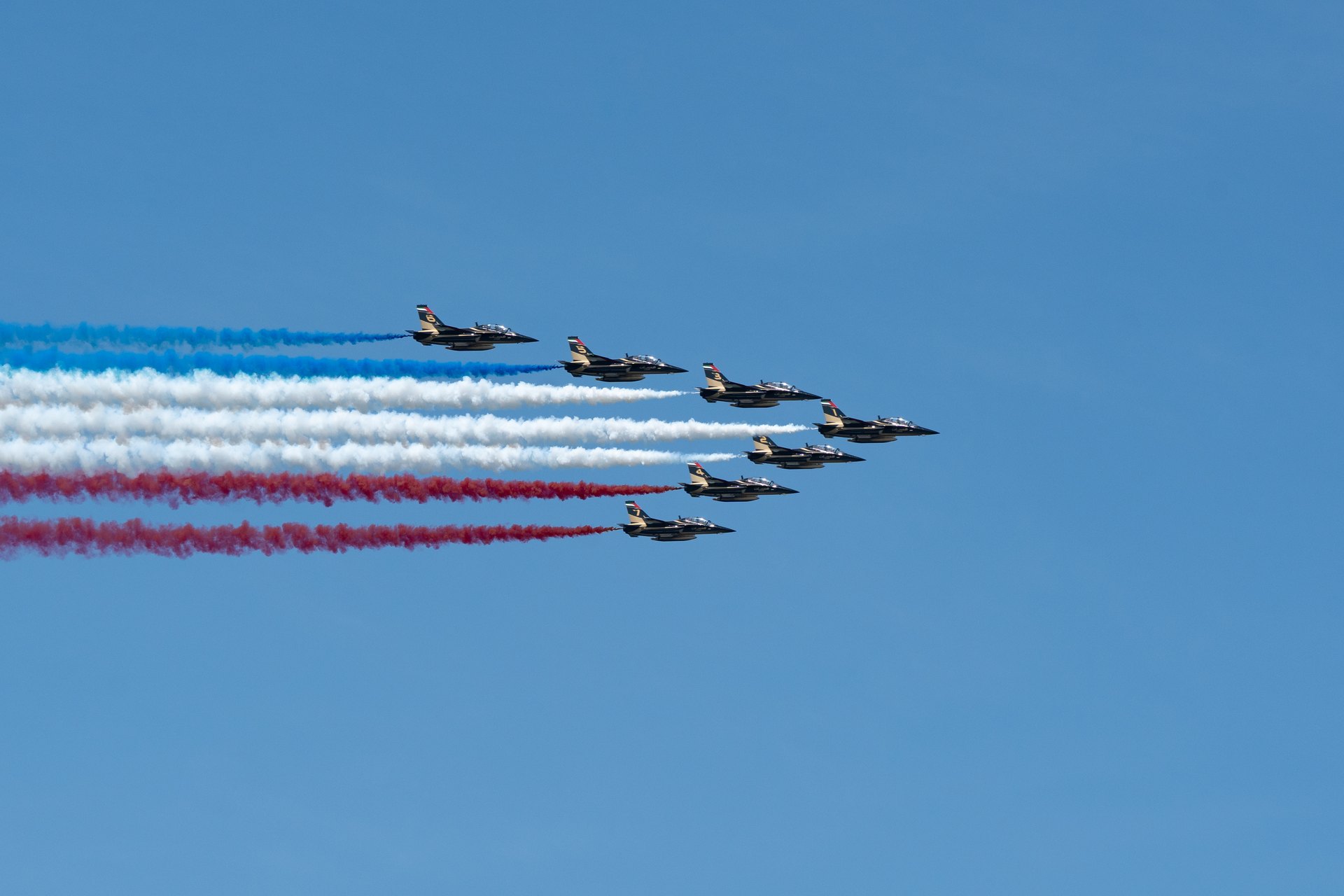
The Patrouille de France, nine Alpha Jets in the tricolor. This became the Vote Your Health card. Photograph: Robin Blackstone, MD
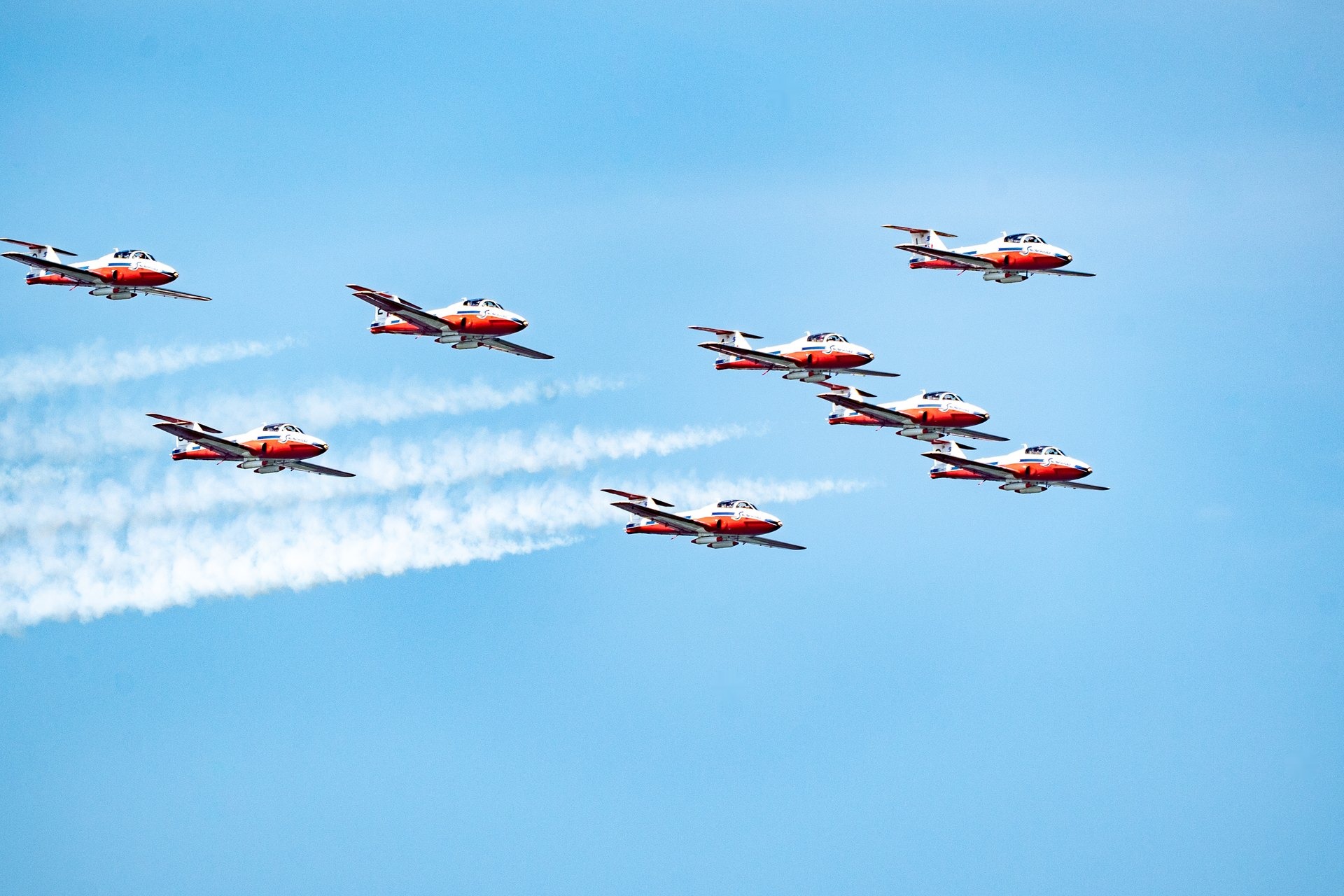
The Snowbirds of the Royal Canadian Air Force. Photograph: Robin Blackstone, MD
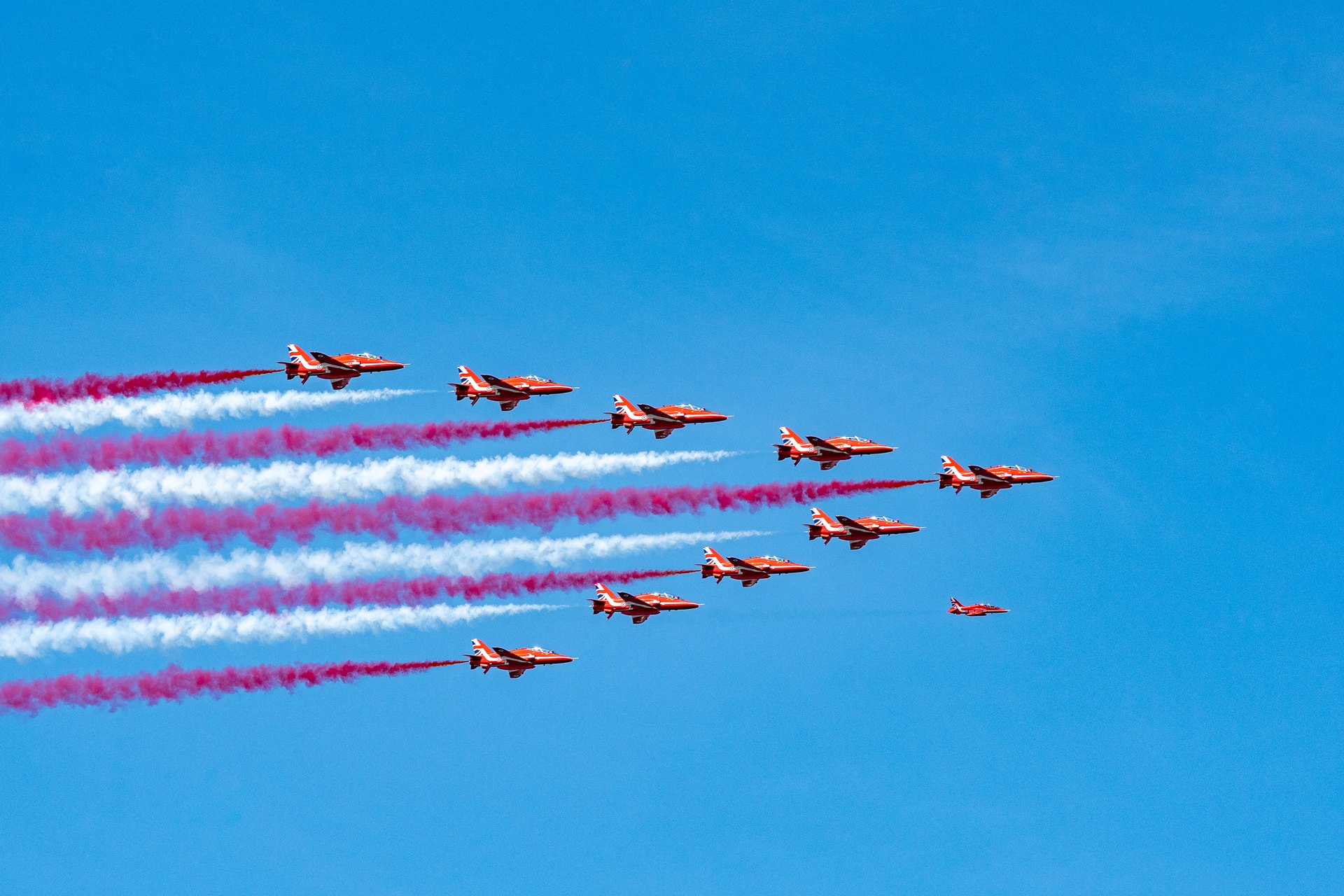
The Red Arrows of the Royal Air Force. Photograph: Robin Blackstone, MD
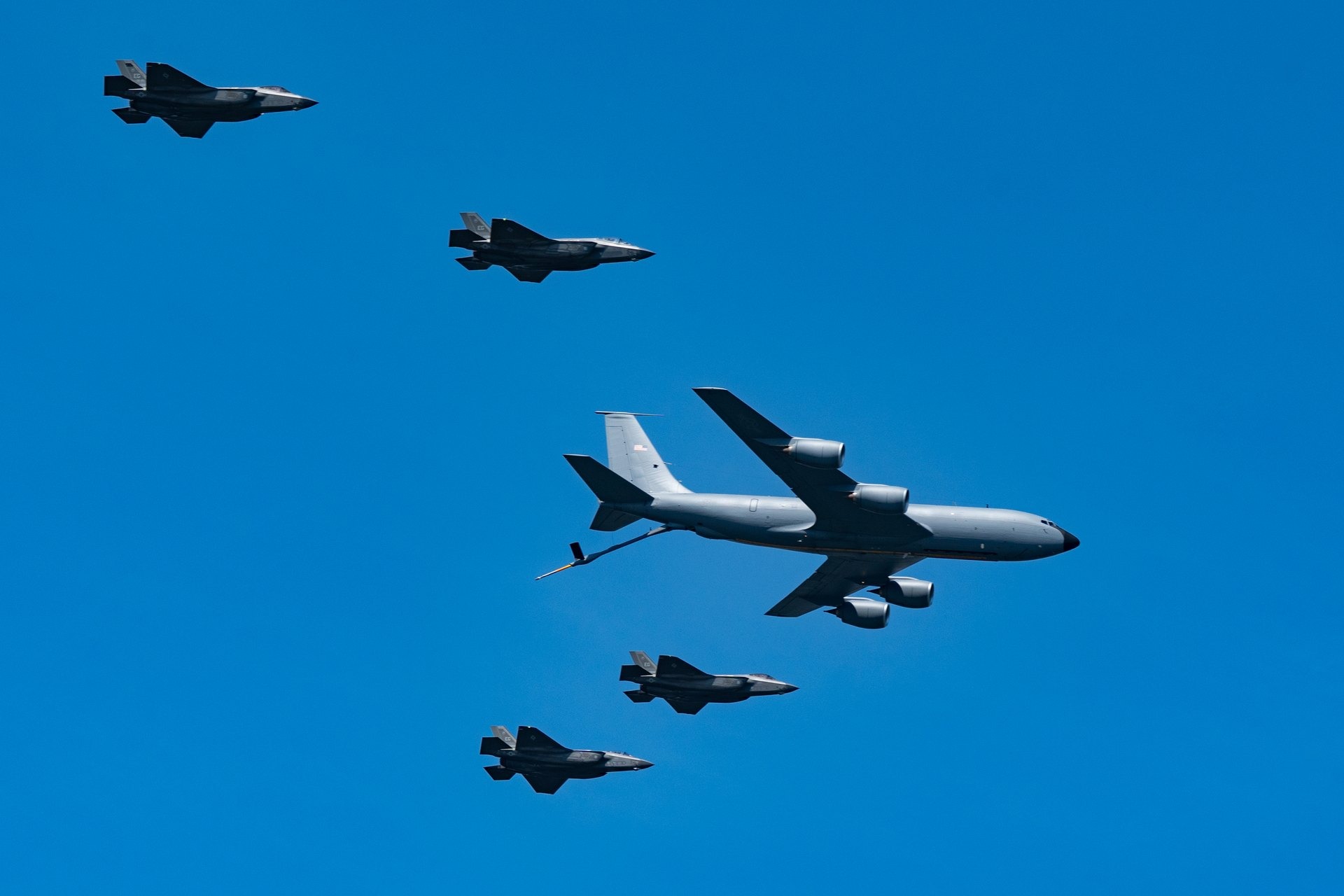
A KC-135 Stratotanker with four F-35 Lightning IIs on its wing. Photograph: Robin Blackstone, MD
Health is governed too. Most people do not know by whom. The rules about who can treat you, what your insurance must cover, whether a pharmacist can prescribe, whether a nurse practitioner needs a doctor’s signature, what happens to your medical debt, whether you can ask an AI about your own body — most of those decisions are made in your state, by people you can name, and in many cases by people on your ballot this November.
So for Election Week I wrote one piece a day: who decides what in your health care; a page for each of the fifty states with the people and offices responsible; seven questions to ask anyone who wants your vote; and five commitments worth asking a candidate to make. It all lives at robinblackstone.com/voteyourhealth.
Each piece needed a cover. I went back to the July pictures.
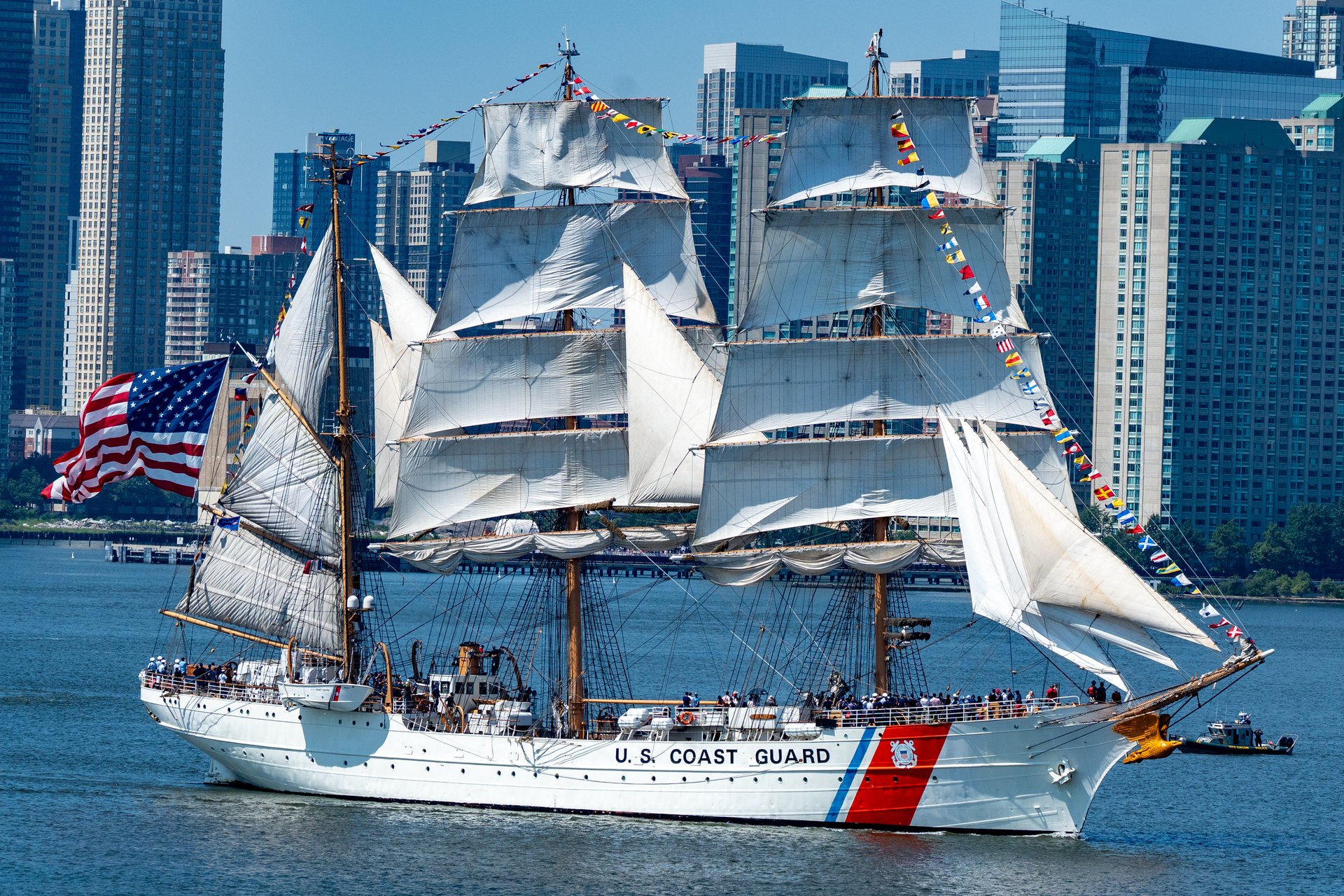
USCGC Eagle, the Coast Guard’s training barque, under sail with the flag flying. This became the cover for Your State, Your Vote. Photograph: Robin Blackstone, MD
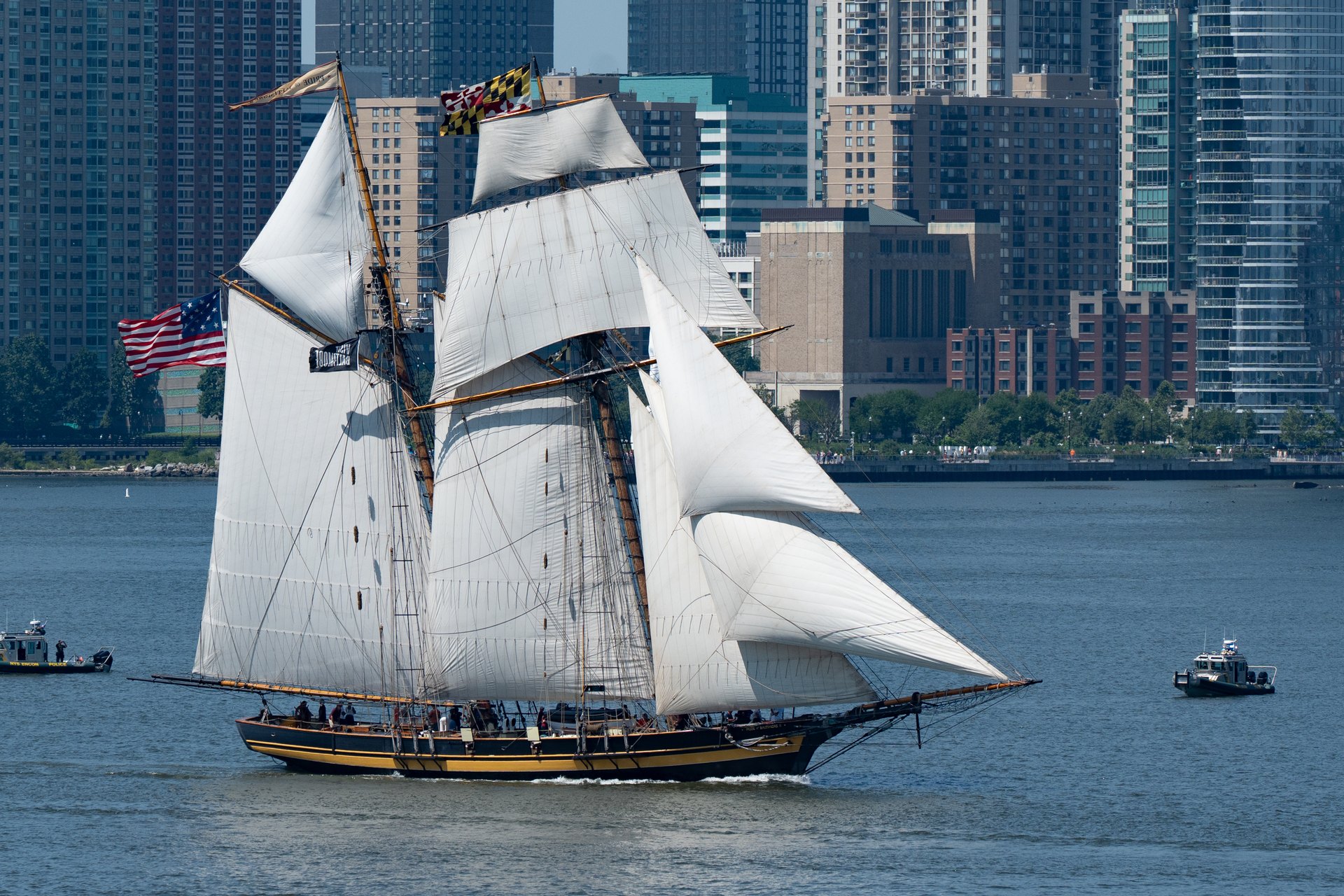
Pride of Baltimore II, a Baltimore clipper, flying the Maryland flag from the foremast. Photograph: Robin Blackstone, MD
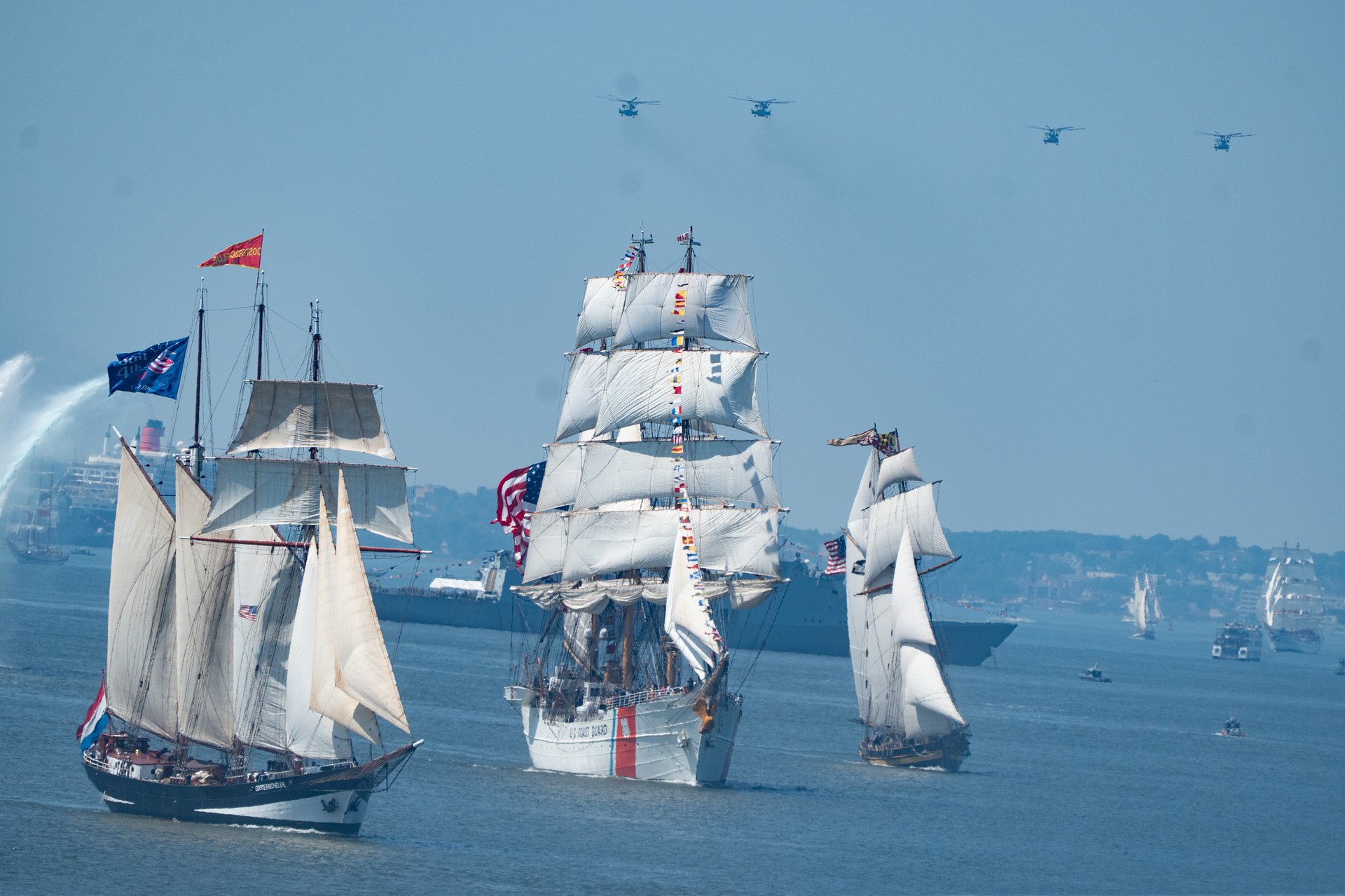
Three tall ships abreast, a Dutch schooner at left and Eagle in the center. Photograph: Robin Blackstone, MD
I chose them because they are pictures of people doing a job in public, in good order, where everyone can see. A training ship under full sail is a lesson in attention: hundreds of lines, each one tended by someone. A fireboat is a city’s promise made visible. A formation of nine jets a few feet apart is trust you can photograph. I would like health care to look like that — competent, open to view, and answerable.
It is also why I wanted to offer readers something different from the usual election coverage. Not a party, not a candidate, and not an argument about who is to blame. A map. Who decides, in your state, the things that will touch your body and your family’s money; what to ask them; what to ask them to commit to. A plain question, asked in public, is still the most democratic instrument we have.
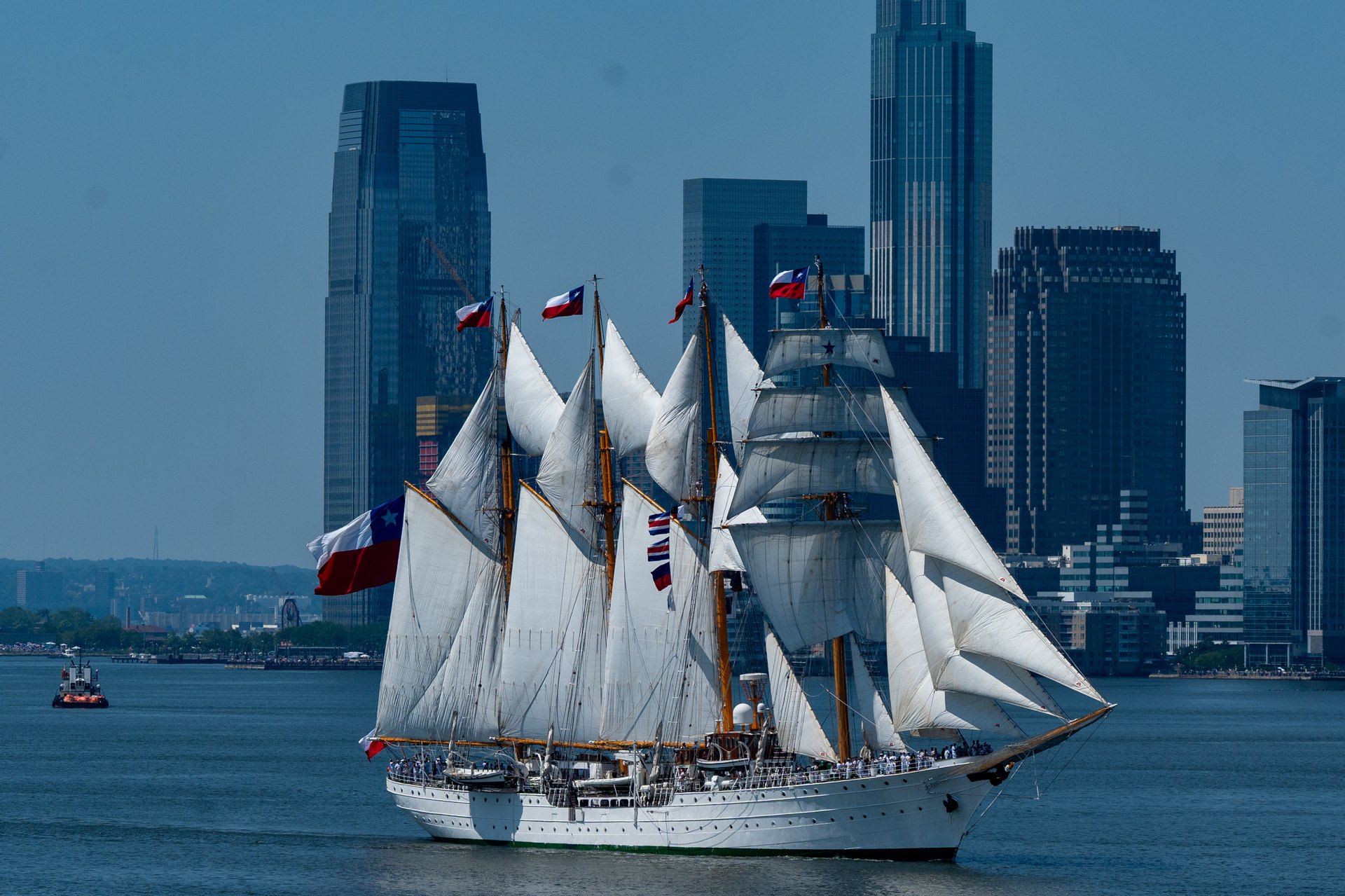
Esmeralda, the Chilean Navy’s four-masted training ship, her crew on deck in whites. Photograph: Robin Blackstone, MD
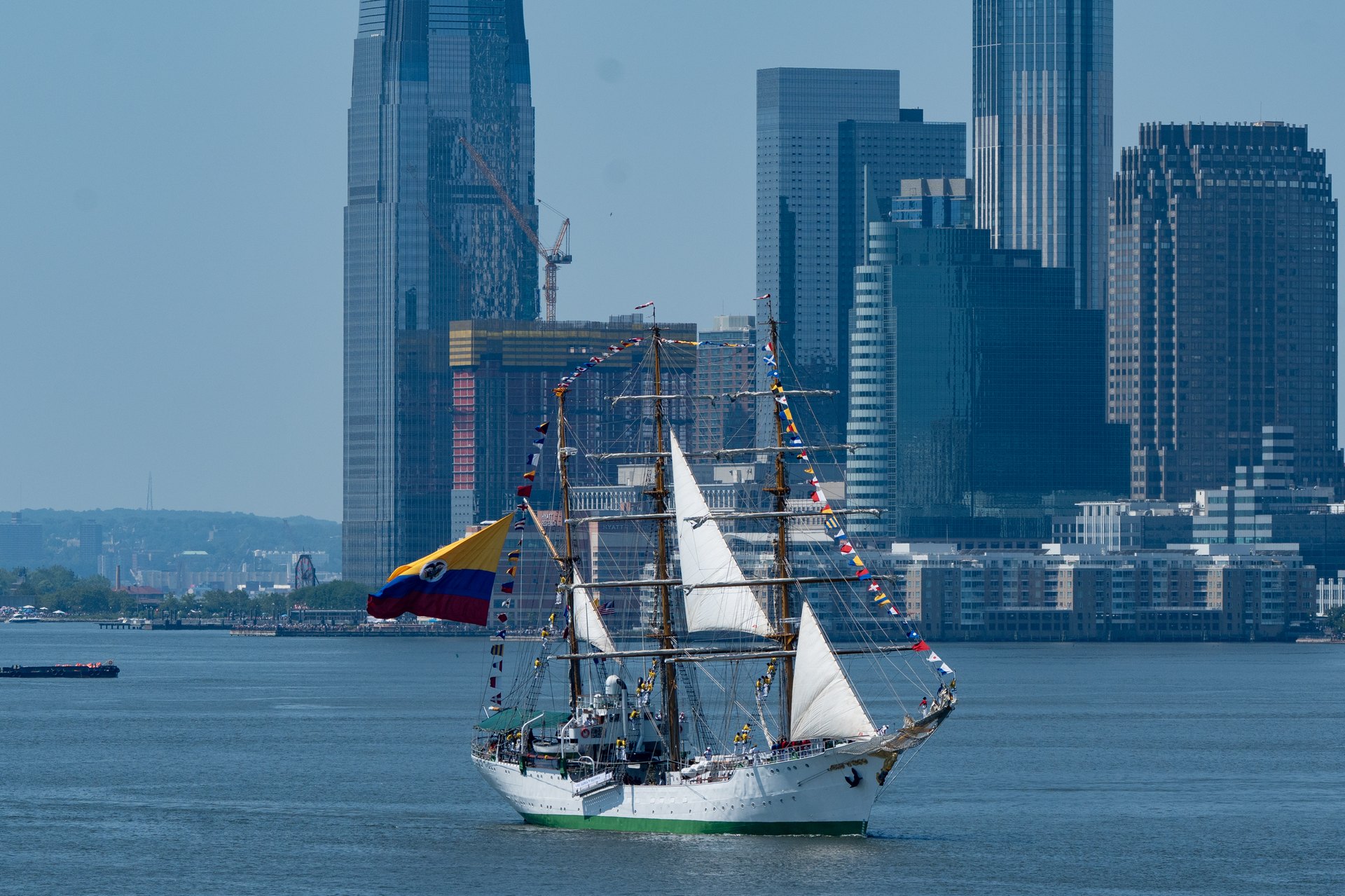
Under the Colombian flag, the last of the ships I photographed that day, heading up the river. Photograph: Robin Blackstone, MD
The ships left the harbor by evening. The questions are still open. If you have not voted yet, your state’s page is at robinblackstone.com/yourstate, and the seven questions are at robinblackstone.com/sevenquestions. Ask one of them of someone who wants your vote, and let me know what they say.
Where I stand: I do not belong to a political party. I founded Blackstone Health and the H4 Alliance and am developing Doctor AI. I also write books about these issues. No one is paying me to write this.
Photographs · Little Island, New York · July 4, 2026 · the 250th
‘ …would like health care to look like that — competent, open to view, and answerable.’ What you are describing, Doctor Robin, is what came about in Scotland by the Claim of Right: The Scottish people are sovereign and not any monarchy or politicians, or Landed Gentry or billionaires. This is a very important principle that the American Founding Fathers, many of whom were Scottish, or of Scottish descent, copied from Scotland.. The Scottish people were not allowed to vote for or against the Treaty of Union with England in 1707. Instead Scotland was annexed by England through bribes and military threats and actions. Over 300 years later and I am still awaiting for the Claim of Right to be enacted. America needs to wake up to the dangers of giving away the sovereignty of the people. ‘WE THE PEOPLE’ … Great work, Doctor, and wonderful images and metaphors.