About
I have spent my life in medicine — and I believe we can do better.
I began as a surgeon, caring for one person at a time. Across clinical care, education, health-system leadership, research, policy, and industry, I learned something I hold with humility: the people inside health care are usually doing their best. The design around them often is not.
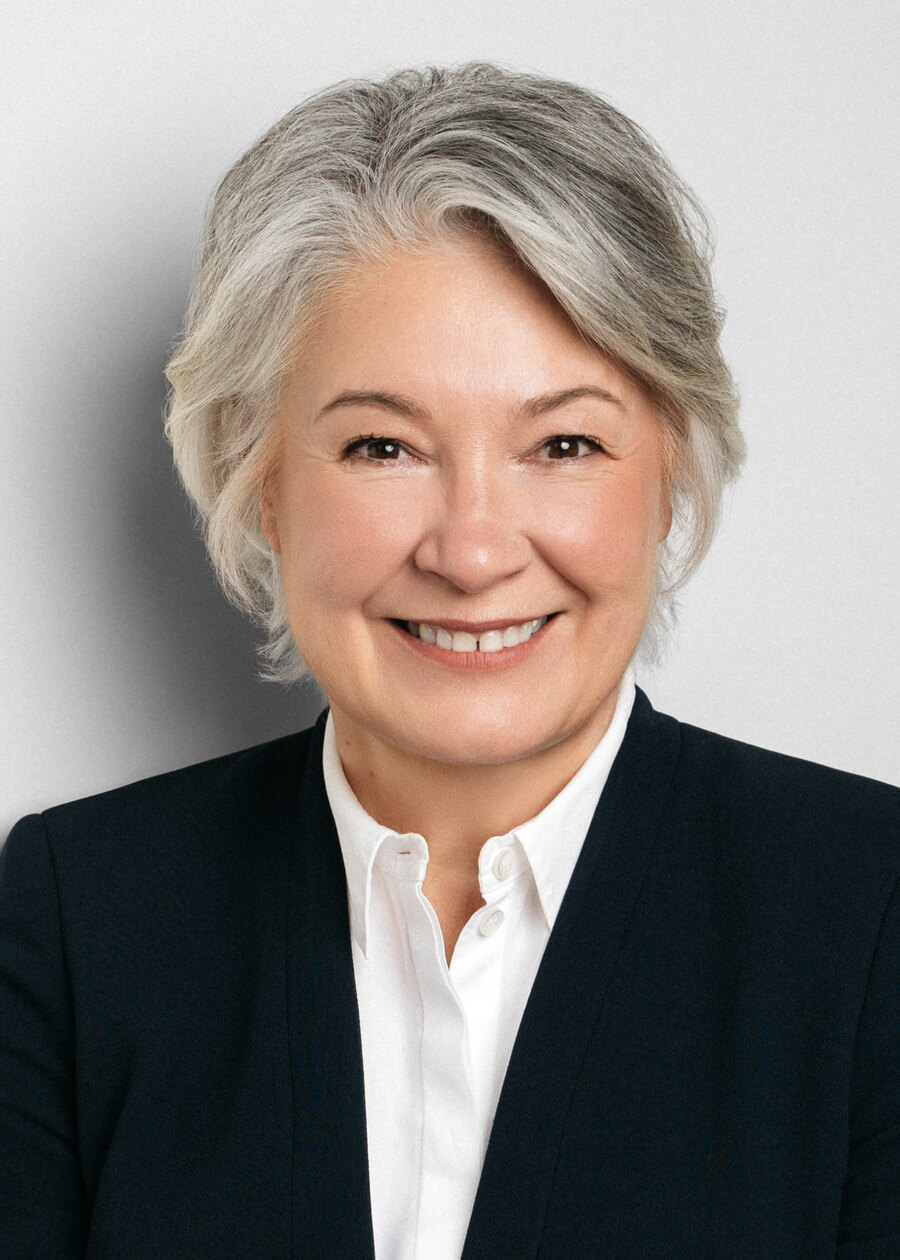
American medicine can be extraordinary. It is also asking the wrong system to do too much.
The system we inherited was built mainly for rescue. It mobilizes around illness, injury, billing, and procedures — and is far less prepared to protect health across a lifetime. That is not because patients failed or clinicians stopped caring. It is a design result.
I don’t believe AI will fix that on its own; used carelessly, technology can make inequity more efficient. But with trust, consent, transparency, and human judgment, it can help us see earlier and support people before illness becomes crisis. That is the purpose of Health 4.0 — and the question behind all of it is simple: what would health care look like if it were designed around the person, before the crisis?

“The future of health should not be built around waiting for people to break.”
One effort, several threads.
Doctor AI
A book and blueprint for using AI in health care without losing the human relationship at the center of medicine.
Health 4.0
A proactive, person-centered, culturally grounded system that protects health across a lifetime.
Trajectory Engineering
Making the path toward or away from disease visible earlier, so prevention becomes measurable and actionable.
The Right to Health
A civic and constitutional argument that health is foundational to freedom, dignity, and participation.
The Sewing Circle
A method for listening, gathering stories, and rebuilding trust in communities too often studied but not heard.
Blackstone Health
The platform for the ideas, tools, and partnerships that move this work from vision to practice.
A lifetime inside medicine.
Robin P. Blackstone, MD, FACS, FASMBS, trained as a surgeon and has worked across clinical practice, academic medicine, health-system leadership, surgical quality, education, industry, and policy. She was the first woman elected President of the American Society for Metabolic and Bariatric Surgery, and her work on surgical quality helped establish the Metabolic and Bariatric Surgery Accreditation and Quality Improvement Program (MBSAQIP). She held the Ira A. Fulton Endowed Chair at Banner Health, served as Senior Vice President of Clinical and Medical Affairs at Ethicon, part of Johnson & Johnson, and is Professor Emeritus of Medicine and Surgery at the University of Arizona — Phoenix.
MIT
Harvard Business School
Financial Times Board Diploma
The University of Texas Health Science Center at San Antonio
University of Colorado School of Medicine
For readers who want the full blueprint.
Health 4.0 and the End of Zero-Sum Healthcare
A Global Commons Architecture, with the United States as Region Zero · SSRN, May 2026
Health 4.0: The System of Care
A Blueprint for American Health Security · SSRN, May 2026
Trajectory Engineering — A Prospectus
Companion to Doctor AI · SSRN, April 2026
Earlier work includes editor, The ASMBS Textbook of Bariatric Surgery, and author, Obesity: The Medical Practitioner’s Essential Guide.
Read the blueprint. Join the conversation.
The work ahead will require clinicians, patients, families, communities, technologists, employers, policymakers, and citizens willing to imagine health care differently.